No products in the basket.
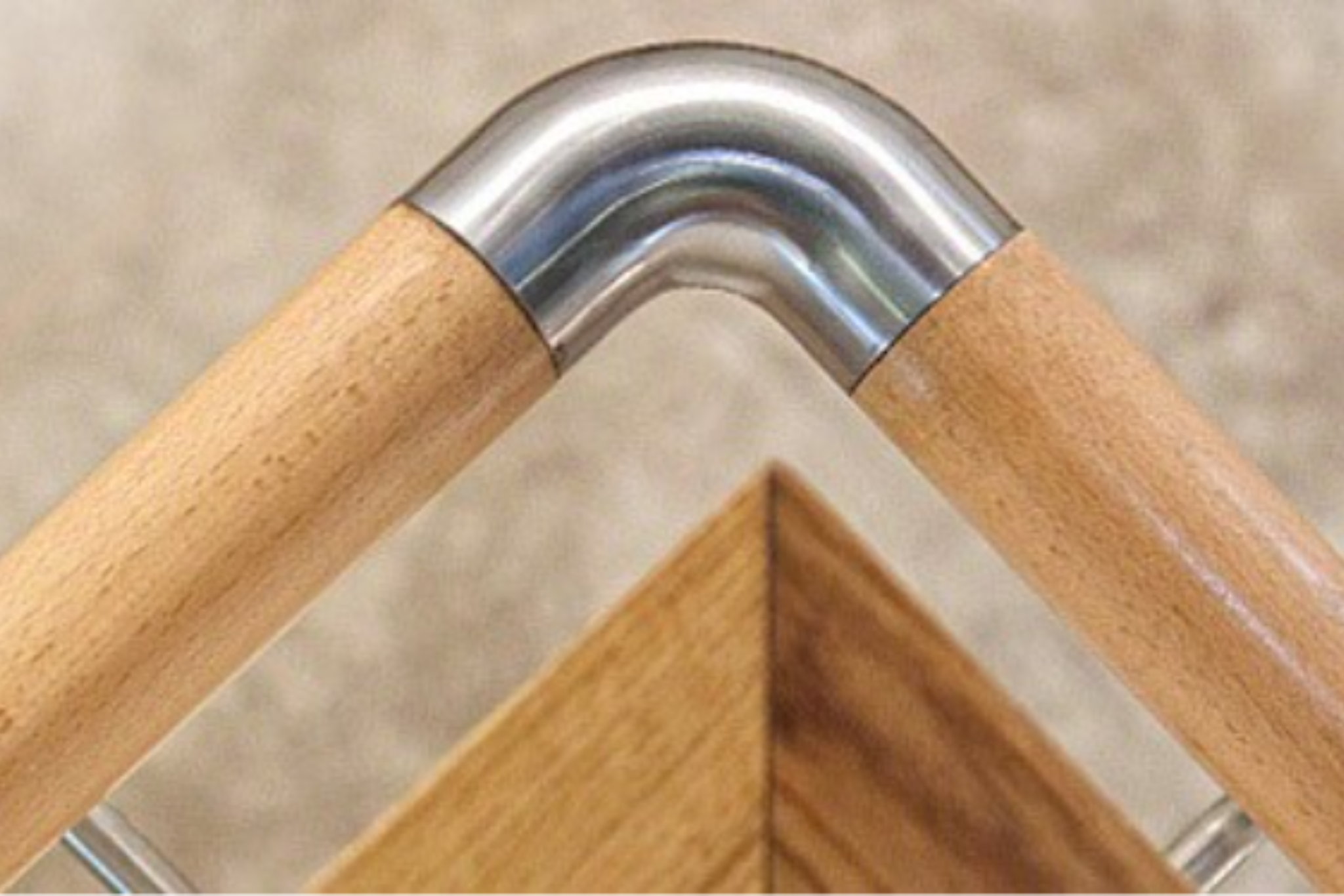
Selecting the correct flange for high-pressure systems is critical for safety, reliability, and long-term performance. Using the wrong flange can result in leaks, system failure, or costly downtime.
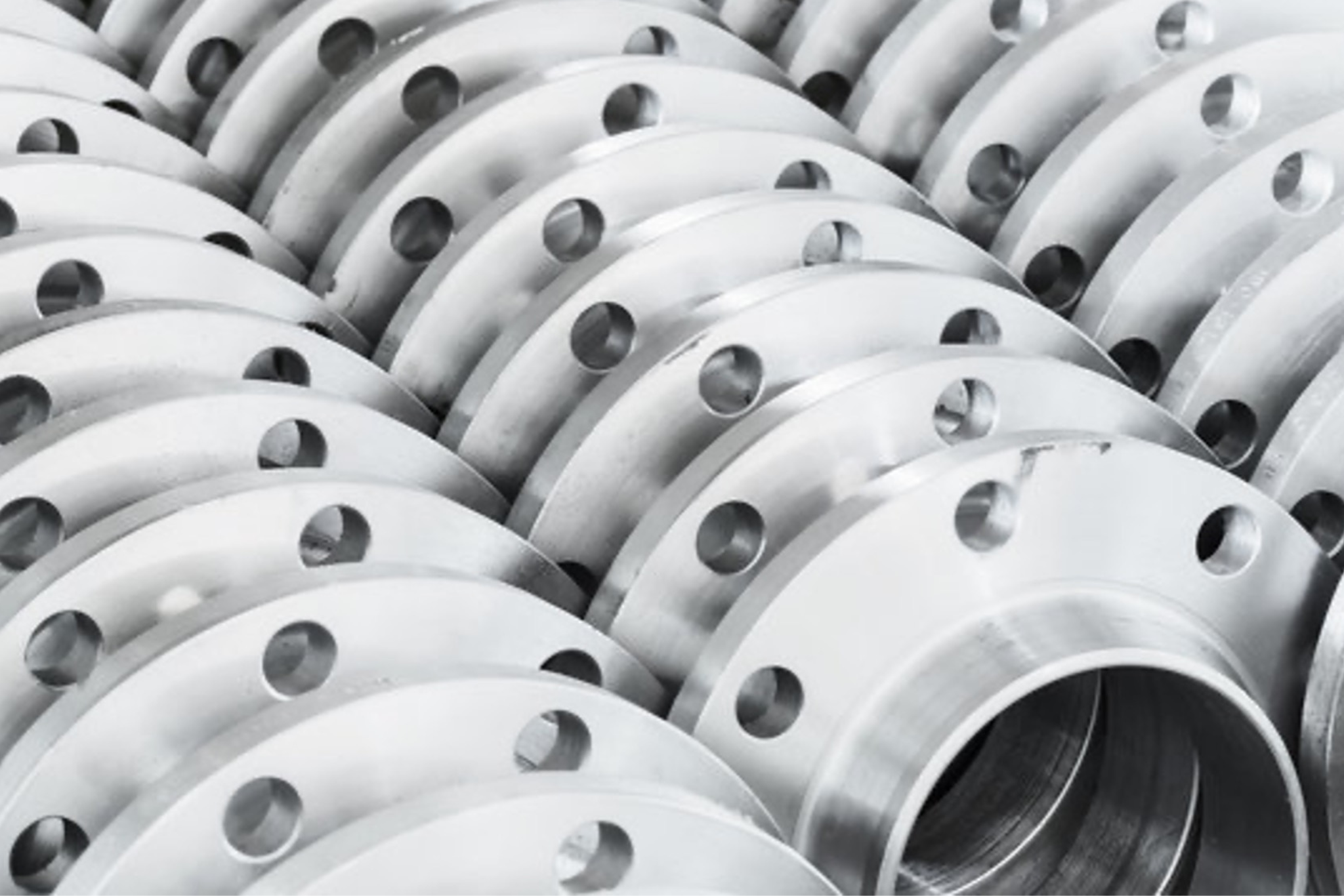
High-pressure systems are common in industries such as oil and gas, chemical processing, and power generation. These systems operate under pressures far above standard domestic or low-pressure industrial systems, meaning components must be carefully selected and installed.
A flange’s material, pressure rating, and design all play a key role in maintaining system integrity.
The pressure rating indicates the maximum pressure a flange can safely handle. Always select a flange rated above your system’s operating pressure for a safety margin. Flanges are typically classified according to international standards such as ANSI, ASME, and PN ratings.
At Collister and Glover, we offer flanges with a variety of pressure ratings suitable for both moderate and extreme conditions.
The material of your flange affects its strength, corrosion resistance, and temperature tolerance:
Carbon Steel: Strong and cost-effective, suitable for general high-pressure systems.
Stainless Steel: Corrosion-resistant, ideal for chemical and food processing industries.
Alloy Steel: Handles extreme temperatures and high-pressure conditions.
Different flange types provide varying levels of performance in high-pressure applications:
Weld Neck Flanges: Provide superior strength and are perfect for high-pressure and high-temperature systems.
Slip-On Flanges: Easier to install but generally suited for lower pressure.
Socket Weld Flanges: Suitable for smaller diameter high-pressure pipes.
Blind Flanges: Used to seal or isolate sections of a system safely.
Ensure the flange matches your pipe diameter and connection type. Incorrect sizing can compromise the seal and increase the risk of leaks. Our pipe and flange compatibility guide can help you match components accurately.
For high-pressure systems, the correct gasket is crucial for leak prevention. High-pressure flanges often require metal or spiral-wound gaskets to withstand extreme pressures.
Even the best flange can fail if installed incorrectly:
Clean flange surfaces and pipe ends before assembly.
Use the correct torque and tightening sequence, typically a criss-cross pattern, to avoid warping.
Select compatible bolts and gaskets from our bolt and fastener range for secure connections.
Conduct pressure testing after installation to confirm leak-free operation.
High-pressure flanges are used across multiple industries:
Oil & Gas: Transporting fluids at extreme pressures safely.
Chemical Processing: Handling corrosive and high-pressure chemicals.
Power Generation: Steam and cooling systems in energy plants.
Industrial Manufacturing: Pressurised systems in heavy machinery and production lines.
At Collister and Glover, we combine:
A wide selection of high-quality, high-pressure flanges.
Expert advice for choosing the right materials, types, and sizes.
Fast UK delivery and reliable customer support.
Start your next high-pressure project with confidence. Browse our full high-pressure flange range today and ensure your system is safe, efficient, and leak-free.