No products in the basket.

Installing a hand rail correctly is essential for safety, stability and a professional finish.
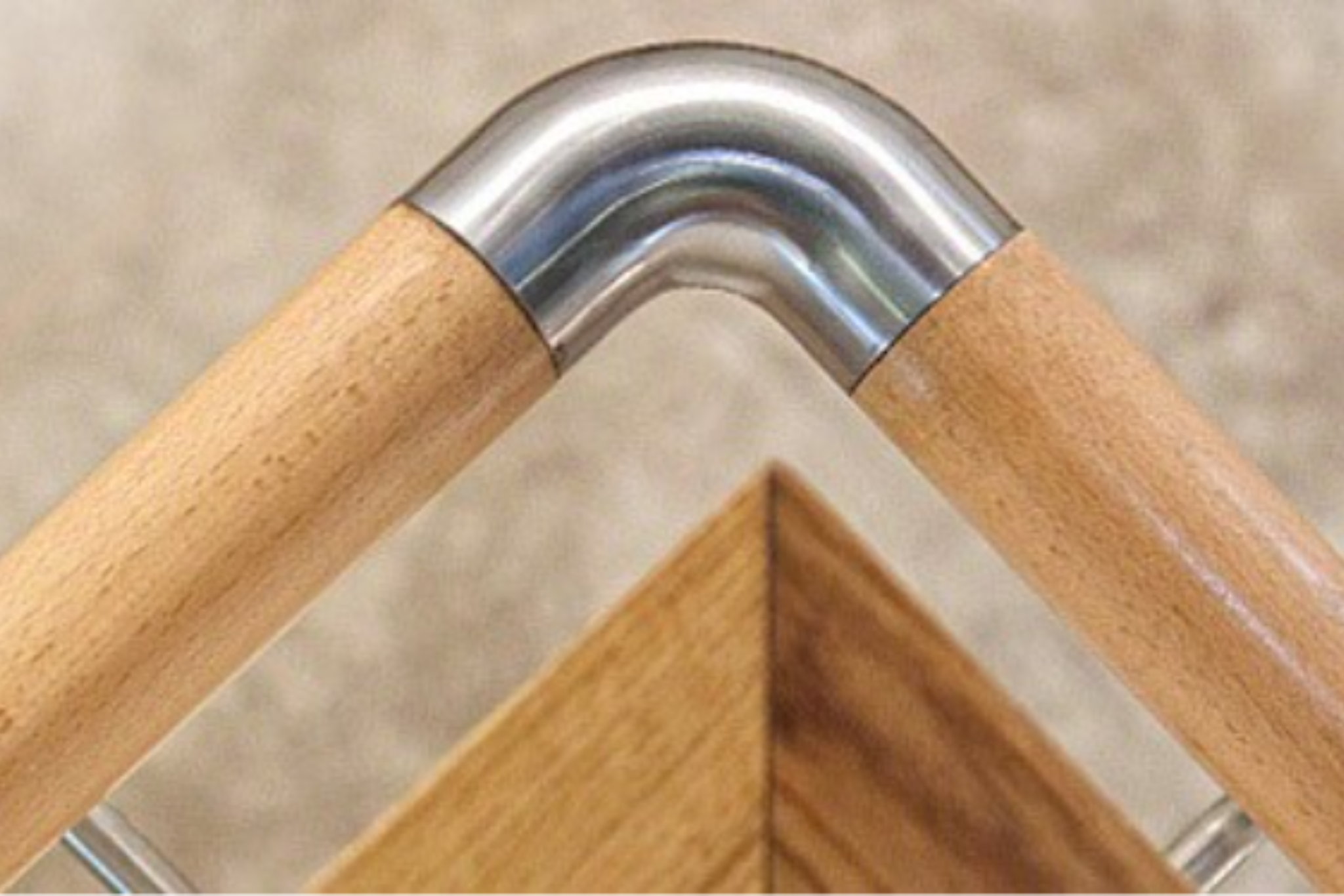
Installing a handrail correctly is essential for safety, stability and a professional finish. Whether you're installing a handrail on a domestic staircase, in a commercial building or in an industrial setting, following the correct installation process can help save time, prevent mistakes and ensure a secure result.
At Collister & Glover, we supply high-quality handrail fittings designed to make handrail installation straightforward, reliable and durable. In this guide, we'll explain how to install a handrail, from planning and choosing the right materials through to fitting and finishing.
Good preparation is key to a smooth handrail installation. Before you begin, measure the area where the handrail will be installed and consider the overall layout.
Check for:
Taking the time to plan your installation properly will help you choose the right handrail fittings and avoid unnecessary adjustments later.
The material you choose for your handrail can affect its durability, appearance, weight and suitability for different environments.
Stainless steel handrails are a popular choice for modern interiors and areas where resistance to moisture and corrosion is important. They offer a clean, contemporary appearance while providing long-lasting performance.
Galvanised steel handrails are well suited to industrial, commercial and outdoor environments where additional protection against corrosion is required.
Aluminium handrails are lightweight and easy to handle, making them a practical option where keeping the overall weight of the installation low is important.
Choosing the right material for your environment will help ensure your handrail remains secure, durable and suitable for its intended use.
Once you've selected your materials, accurately measure and mark where the handrail will be positioned.
Use a tape measure and level to establish the correct height and alignment. For staircases, follow the angle of the stairs while ensuring the handrail provides a comfortable and continuous grip.
Mark the fixing points clearly before drilling. This gives you an opportunity to check the positioning and make any adjustments before permanently fixing the fittings.
Accurate measurements are particularly important when installing handrails around corners, changes in direction or on longer runs.
The correct fittings are essential for creating a secure and professional handrail installation. Depending on the layout of your project, you may require different types of handrail fittings, including brackets, connectors, bends, wall supports and end fittings.
Consider the following when selecting your fittings:
Using compatible, high-quality fittings helps create a strong connection between the handrail and its supporting structure.
With your measurements, materials and fittings ready, you can begin the installation.
Start by positioning and securing the handrail brackets or supports at the marked fixing points. Make sure each fixing is appropriate for the wall or supporting surface and is securely tightened.
Next, position the handrail into the fittings. Depending on the type of fitting being used, this may involve securing the rail with screws, clamps or other fixing methods.
Check the handrail regularly as you work to make sure it remains level, correctly aligned and securely supported.
For installations with corners or changes in direction, use suitable connectors or angled fittings to create a smooth transition.
Once the handrail has been installed, carry out a final check before considering the job complete.
Check that:
A final inspection is an important part of the handrail installation process and can help identify any issues that need correcting.
The quality of your fittings can have a significant impact on the strength, appearance and longevity of a handrail installation.
Using suitable handrail fittings helps ensure the rail is properly supported and provides a reliable grip for users. High-quality components can also give the finished installation a cleaner, more professional appearance.
At Collister & Glover, we supply a range of handrail fittings suitable for a variety of applications and installation requirements.
To install a handrail, start by measuring and marking the required position, select suitable handrail materials and fittings, securely fix the brackets or supports to the appropriate surface, and then attach the handrail. Always check the finished installation is secure, correctly aligned and compliant with any relevant requirements.
The fittings required will depend on the design and location of the installation. Common handrail fittings include brackets, supports, connectors, bends and end fittings. The material, diameter and layout of the handrail should all be considered when choosing fittings.
The best handrail material depends on the environment and intended use. Stainless steel is a popular option for modern and moisture-prone areas, galvanised steel is well suited to industrial and outdoor applications, while aluminium offers a lightweight alternative.
Handrail installations may need to comply with relevant building regulations and safety requirements depending on the building and application. Always check the requirements that apply to your specific project before beginning installation.
Whether you're working on a domestic staircase, commercial premises or an industrial project, choosing the right fittings is an important part of achieving a secure and professional handrail installation.
Explore Collister & Glover's range of handrail fittings to find suitable components for your next project.