No products in the basket.
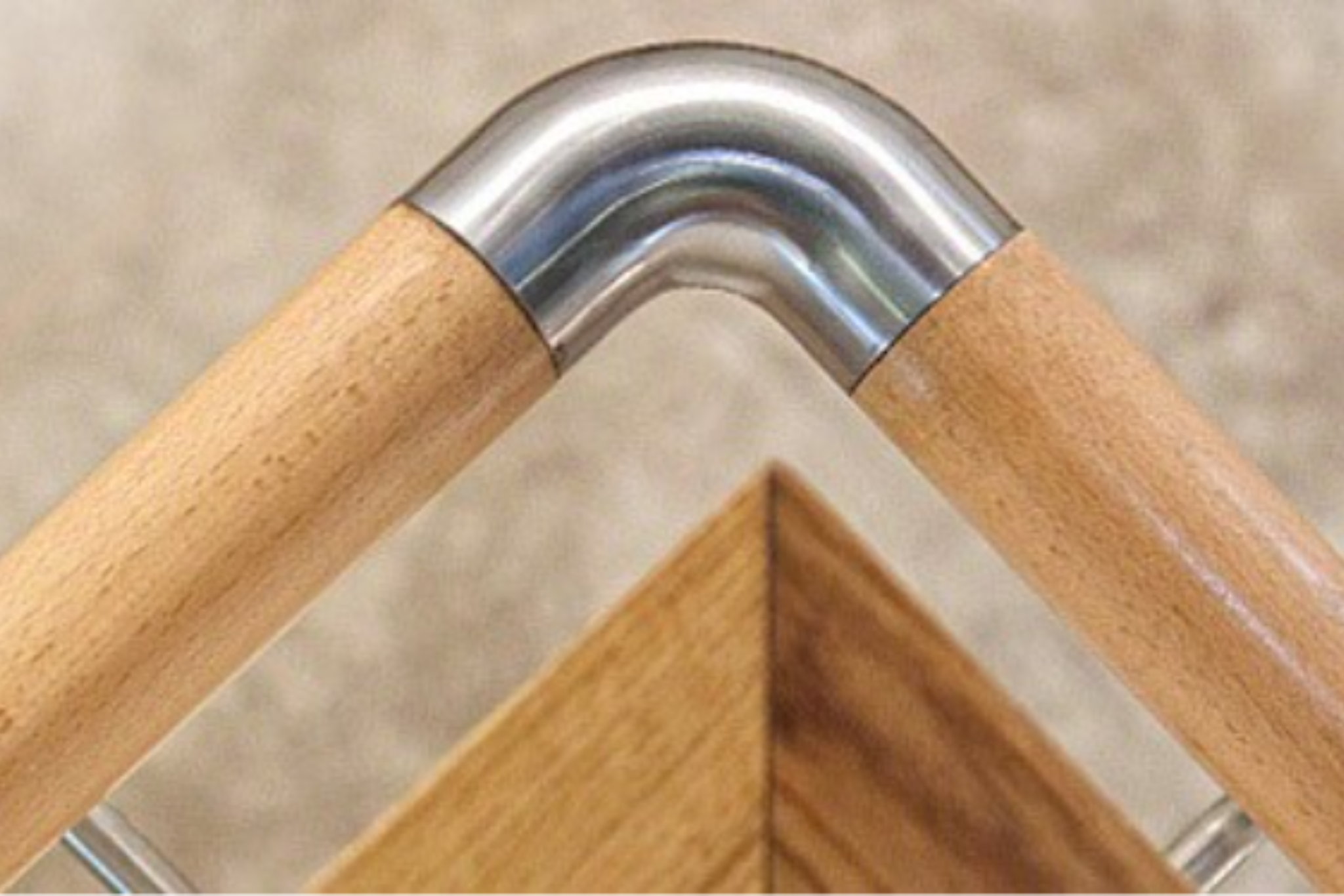
Industrial flanges are essential components in piping systems, providing a reliable method to connect pipes, valves, pumps, and other equipment.
This guide will help beginners understand flange types, materials, and installation best practices to ensure secure, long-lasting connections.
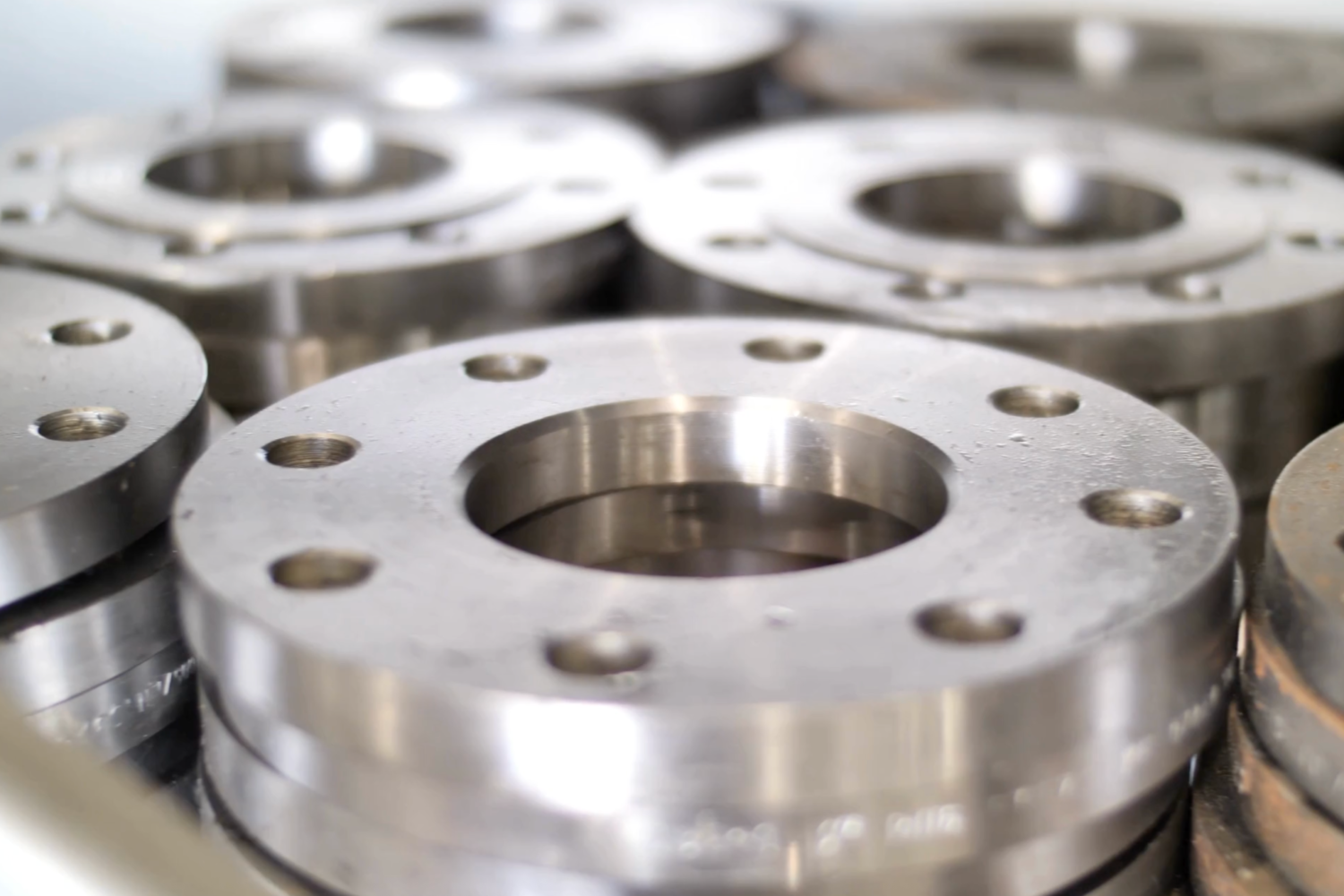
An industrial flange is a flat or raised ring that connects pipes, valves, or other components. Flanges are typically bolted together and sealed with gaskets to prevent leaks. They are widely used in plumbing, chemical, oil, and gas industries due to their durability and versatility.
Understanding flange types is key to selecting the right one for your project:
Slip-On Flanges: Easy to install; the pipe slides into the flange before welding. Ideal for low-pressure applications.
Weld Neck Flanges: Designed for high-pressure and high-temperature systems. The flange is welded to the pipe, providing superior strength.
Blind Flanges: Used to seal the ends of pipes, valves, or equipment. Perfect for inspection or future expansion.
Socket Weld Flanges: Pipes are inserted into a socket and welded around the joint. Suitable for small-diameter, high-pressure systems.
Threaded Flanges: Screw onto threaded pipes for simple installation without welding.
The choice of material affects durability, corrosion resistance, and performance:
Carbon Steel: Strong and cost-effective, commonly used in industrial piping systems.
Stainless Steel: Corrosion-resistant, ideal for chemical and food industries.
Alloy Steel: Suitable for high-pressure and high-temperature applications.
PVC/Plastic: Lightweight and corrosion-resistant, often used in domestic or low-pressure systems.
When choosing flanges, consider the following factors:
Pressure Rating: Ensure the flange can handle the system’s operating pressure.
Temperature Range: Select a material that withstands expected temperatures.
Pipe Size: The flange must match the diameter of your piping.
Connection Type: Consider whether a welded, threaded, or slip-on flange is most suitable.
Proper installation ensures long-lasting, leak-free results:
Clean all pipe ends and flange surfaces before assembly.
Use high-quality gaskets compatible with your flange type.
Tighten bolts evenly in a criss-cross pattern to avoid warping.
Conduct pressure tests after installation to check for leaks.
Industrial flanges are versatile and used in many sectors:
Water and Wastewater Systems: Connecting large-diameter pipes safely.
Oil and Gas Pipelines: Withstanding high pressure and extreme conditions.
Chemical Processing: Resistant to corrosion from harsh chemicals.
Food and Beverage: Stainless steel flanges maintain hygiene standards.
At Collister and Glover, we provide:
A wide selection of high-quality flanges from trusted manufacturers.
Expert advice to help you choose the right products.
Fast delivery across the UK for both small and large orders.
Explore our full industrial flange range and start your project with confidence.